

Peptides
At Mind & Body Renew, we offer provider-guided peptide therapy designed to support metabolic health, recovery, body composition optimization, and cellular signaling pathways.
Peptides are short amino acid chains that act as biological messengers in the body. When prescribed appropriately, they can support natural physiological processes related to repair, regeneration, and wellness optimization.
All peptide services require medical evaluation and individualized treatment planning.

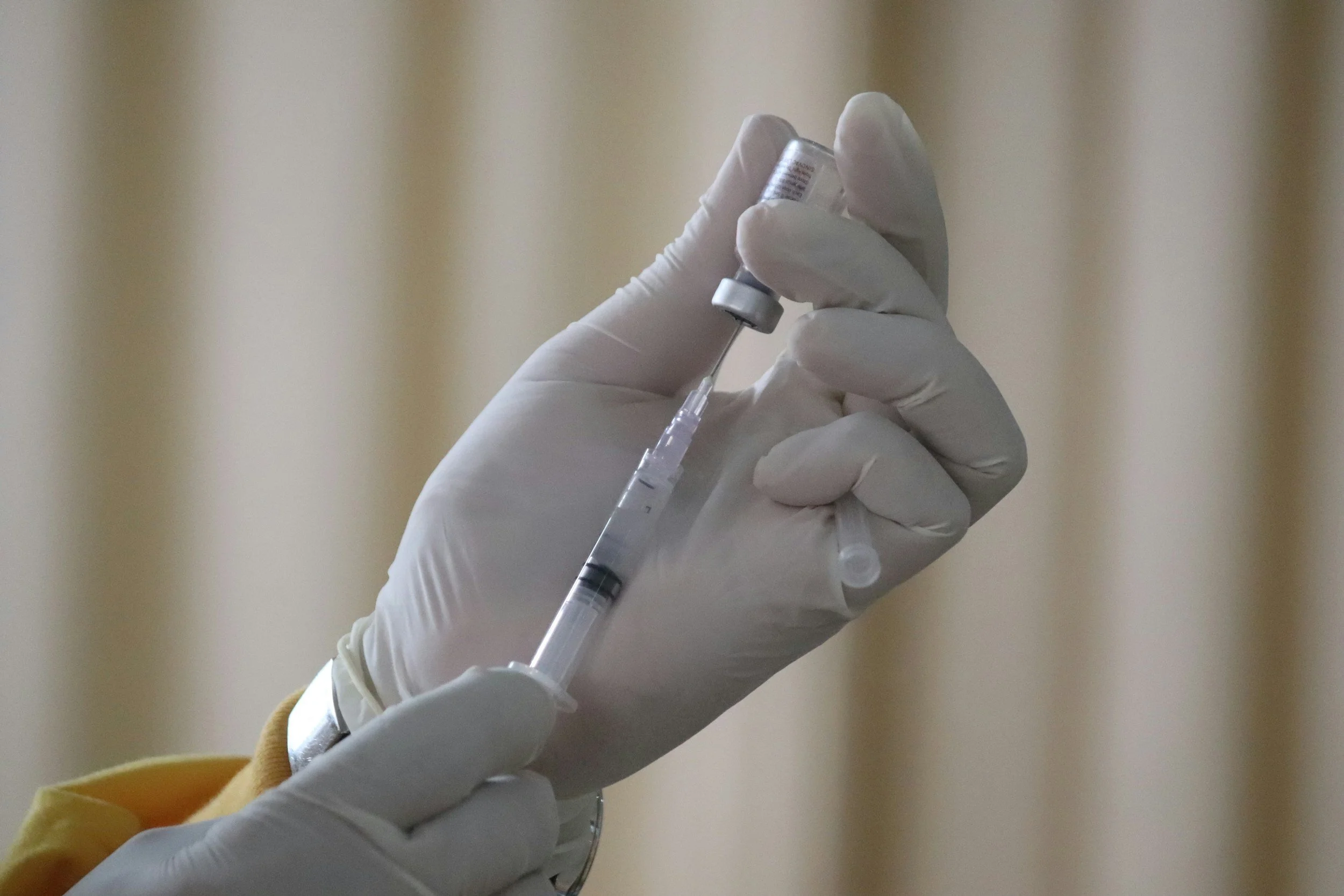
What are peptides ?
Targeted, science-driven support for cellular repair, metabolism, and longevity.
Peptides are short chains of amino acids that act as signaling molecules within the body. They help regulate essential processes such as skin regeneration, fat metabolism, hormone communication, inflammation, recovery, and tissue repair.
At Mind & Body Renew Medical Spa & Psychiatry, peptide therapy is used as part of a personalized, medically guided wellness strategy designed to address root causes — not just symptoms.
What Peptide Therapy Can Support
Peptide therapy may help improve:
Skin quality, collagen production, and aging concerns
Body composition and fat metabolism
Muscle tone, recovery, and performance
Energy, sleep, and stress resilience
Gut health and inflammation support
Hair growth and tissue repair
Longevity and cellular optimization
How Peptide Therapy Works
Peptides communicate with specific receptors in the body to “signal” desired responses — such as increasing collagen production, improving metabolic activity, or supporting healing pathways.
Because they are targeted, peptides can complement other treatments and integrate seamlessly into comprehensive wellness programs.
Your Personalized Approach
Peptide therapy at Mind & Body Renew is never one-size-fits-all.
Your plan is developed after:
Functional wellness assessment
Clinical consultation
Review of symptoms and goals
Medical evaluation by our clinical team
Peptides may be recommended alone or alongside hormone optimization, advanced aesthetic treatments, metabolic programs, and targeted supplementation.
Our Philosophy
We focus on strategic, medically guided peptide protocols designed to support sustainable transformation, improved function, and long-term vitality.
Restore balance. Optimize function. Elevate results.
So you can truly Restore • Reset • Renew.

The ResearchGLP-1, GIP, and Triple-Agonist Peptides (Retatrutide)
Human clinical research demonstrates that incretin-based peptide therapies — including GLP-1 receptor agonists, dual GLP-1/GIP agonists, and triple-agonist peptides such as retatrutide — produce significant improvements in inflammation and metabolic function.
Inflammation
Systematic reviews show GLP-1 receptor agonists reduce inflammatory biomarkers, including C-reactive protein (CRP) and pro-inflammatory cytokines (IL-6, TNF-α).
Dual incretin therapies (GLP-1/GIP) demonstrate reductions in systemic inflammation alongside weight and metabolic improvements across SURMOUNT trial analyses.
Emerging retatrutide research indicates substantial decreases in inflammatory markers, likely mediated through weight reduction, improved insulin sensitivity, and adipose tissue signaling changes.
Overall finding: Incretin-based peptides consistently show anti-inflammatory effects in human metabolic disease populations.
Metabolic Restoration
Large randomized clinical trials demonstrate these peptide therapies:
Improve insulin sensitivity and glycemic control
Produce significant weight reduction and fat mass loss
Improve lipid metabolism and cardiometabolic risk markers
Enhance metabolic flexibility and energy regulation
Dual and triple agonists (GLP-1/GIP and GLP-1/GIP/glucagon) show greater metabolic effects than single-pathway therapies, reflecting multi-hormone signaling.
Retatrutide trials report some of the largest weight-loss outcomes observed in peptide-based metabolic therapy research.
Mechanistic Evidence
Research shows incretin-based peptides influence:
Appetite regulation pathways (central nervous system)
Insulin signaling and glucose transport
Adipose tissue inflammation and cytokine signaling
Energy expenditure and mitochondrial activity
Cardiometabolic inflammatory pathways
Triple-agonist peptides (retatrutide) additionally influence energy expenditure and glucagon signaling, contributing to enhanced metabolic restoration.
Other Peptides
MOTS-c (mitochondria-derived peptide)
What evidence supports (mostly preclinical + emerging human association data):
Mechanistic work links MOTS-c to AMPK activation and pathways involved in insulin sensitivity and glucose metabolism.
Reviews discuss MOTS-c as a regulator of metabolic homeostasis and stress response in the context of diabetes/metabolic disease.
Human papers include observational findings (e.g., associations with obesity/metabolic status), but this is not the same as large interventional trials proving clinical benefit.
BPC-157
What evidence supports (mostly animal/in-vitro; very limited human data):
A 2025 narrative review describes BPC-157’s potential to modulate inflammation, angiogenesis, nitric oxide signaling, and tissue repair, but underscores the overall evidence limitations.
Orthopedic-focused review notes anti-inflammatory/healing signals in models and emphasizes lack of robust human safety/efficacy data.
Thymosin β4 / TB-4 (and TB-500 as a fragment used in wellness circles)
Research in immune/inflammation contexts describes pro-resolving/inflammation-modulating mechanisms for thymosin β4 in disease models.
Recent academic reviews keep exploring thymosin β4 biology and therapeutic roles in multiple models.
Bottom line: These peptides are biologically interesting, but for most of them, large, high-quality human trials demonstrating decreased systemic inflammation + improved metabolic outcomes are still lacking compared with GLP-1/GIP medications.
GHK-Cu (Copper Peptide)
Skin remodeling / collagen: In human topical use over 12 weeks, GHK-Cu was reported to improve collagen measures and skin appearance outcomes in comparative work summarized in a major review.
Anti-inflammatory signaling (preclinical + mechanistic): Reviews describe antioxidant/anti-inflammatory activity across in-vitro and in-vivo models, supporting biologic plausibility for inflammation modulation.
Gut/inflammation models (preclinical): Recent animal research reports reduced inflammatory activity and improved barrier/tight-junction signals in colitis models.
“KLOW” Stacks (Stack/Blend Protocols)
KPV (Lys-Pro-Val): Demonstrated anti-inflammatory effects in murine colitis models and is studied for intestinal anti-inflammatory mechanisms.
Sermorelin (GHRH 1-29 analog) and GHRH-Analog Evidence
Mechanism: Sermorelin/GHRH analogs stimulate the pituitary to increase endogenous GH and downstream IGF-1 (physiologic axis support vs direct GH administration).
Clinical trial data (GHRH analogs in older adults): A randomized, placebo-controlled trial of a GHRH analog in adults reported endocrine/metabolic changes over months of administration.
Cognition/brain outcomes (GHRH 1-29 NH₂): Randomized clinical trial work in older adults reported improvements on certain cognitive measures after months of GHRH (1-29 NH₂) treatment.

How it works?
Your treatment process includes:
Medical evaluation and screening
Personalized protocol selection
Injection training (if applicable)
Provider-guided dosing plan
Follow-up monitoring and optimization
Most protocols involve subcutaneous administration with clinical education and ongoing oversight.

WHO MAY BENEFIT FROM PEPTIDE THERAPY?
Peptide therapy may be considered for individuals experiencing:
• Metabolic slowdown or plateau
• Recovery challenges
• Body composition resistance
• Skin aging concerns
• Performance optimization goals
• Wellness enhancement needs
A consultation is required to determine eligibility.